24/7 Puffback Response
Puffback Cleanup in Peachtree City, GA
Cleanup after an oil-furnace puffback coats a home in fine, oily black soot within seconds of the malfunction.
☎ (678) 940-0638
Answered 24/7, every day of the year
Cleanup after an oil-furnace puffback coats a home in fine, oily black soot within seconds of the malfunction.
A puffback happens when an oil furnace has a delayed or incomplete ignition, causing a small explosion inside the combustion chamber that forces soot back through the ductwork and into the living space. Unlike a typical house fire, there's often no visible flame damage at all, just an entire home suddenly coated in a fine, oily black soot that reached every room connected to the ductwork within seconds.
Because the soot from a puffback is oily rather than dry, it behaves differently during cleanup, it smears more easily and penetrates fabric and porous surfaces faster than dry-fire soot. This changes the cleaning approach we use.
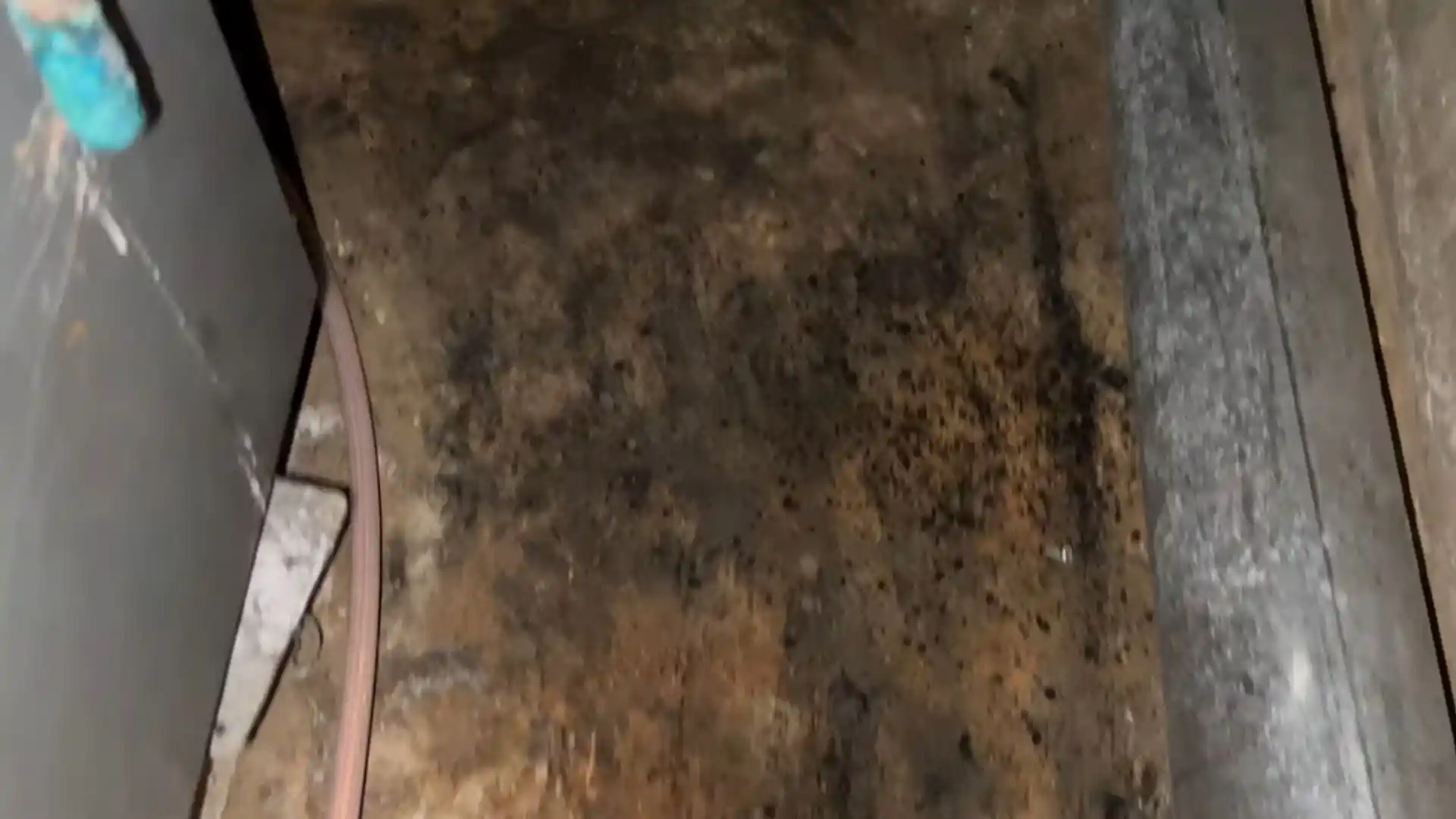
Thorough cleaning of the HVAC system that spread the soot throughout the home.
Specialized agents suited to oily residue, which standard soot cleaning methods can smear.
Coordinating with an HVAC technician to address the furnace malfunction itself.
Puffback jobs vary with how far soot traveled through the ductwork, so we confirm the real number with a written, itemized assessment on-site.
Oil furnaces are less common in Georgia than in colder climates, but they still show up in some of Peachtree City's older housing stock, particularly homes built before natural gas lines reached certain neighborhoods in Aberdeen and Braelinn. A puffback typically happens when a furnace misfires on startup, either from a delayed ignition or a buildup of unburned oil vapor. The resulting small explosion forces soot backward through the system instead of up the flue.
Furnaces that haven't had regular annual servicing are more prone to this kind of misfire. This is part of why we always recommend a licensed HVAC technician inspect and service the unit alongside our cleanup, not just after a puffback but as ongoing prevention for any oil-furnace home in the area.
A puffback forces soot directly into the ductwork, which then distributes it to every room connected to that HVAC system, often within seconds of the malfunction.
We handle the soot and residue cleanup. The furnace itself needs an HVAC technician, and we can coordinate that alongside our cleanup work.
Yes, it's usually oilier and smears more easily, which means it needs different cleaning agents and technique than dry soot from a standard house fire.