Smoke, soot, and structural cleanup after a house or business fire: documented assessment, direct insurance coordination, crews dispatched around the clock.
Georgia sits in one of the more lightning-active parts of the Southeast. Summer thunderstorms in Fayette County regularly bring the kind of strikes that start attic and roofline fires, often in homes where the occupants never heard anything more than a loud clap before smelling smoke.
Peachtree City's housing stock adds another layer to this. A meaningful share of homes in Aberdeen and Braelinn date to the 1960s through 1980s. Older electrical panels and wiring in homes of that age are a well-documented fire risk nationally, particularly with the added electrical load of modern appliances and HVAC systems that weren't accounted for when the wiring was installed.
Winter brings a different pattern: space heater and fireplace-related fires climb every year during the colder months, even in a climate as mild as ours, simply because homes here aren't built with heating systems designed for sustained hard freezes.
Kitchen fires remain the single most common cause of residential fire damage calls nationally, and Peachtree City is no exception. An unattended stovetop or a grease fire that gets out of hand can spread smoke through an entire home in minutes, even when the flames themselves stay contained to one room.
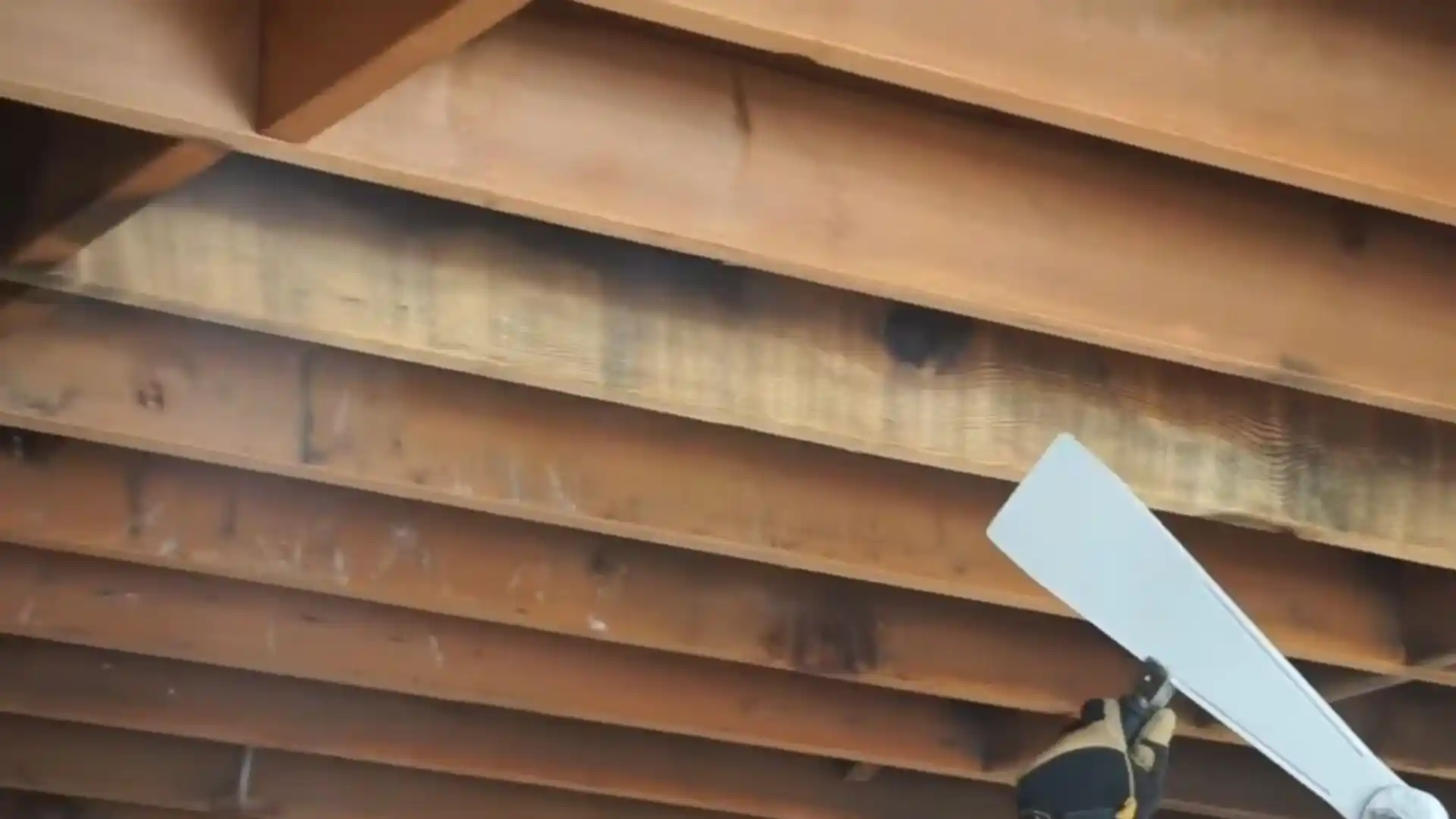
The steps you take immediately after a fire is out can affect how much is salvageable. A few things worth knowing before our crew arrives:
Structural damage isn't always visible. Wait for the fire department to clear the property before going back in.
Photos of the damage as it stands help your insurance claim and our assessment alike.
Dry-wiping soot often smears it deeper into fabric and painted surfaces instead of lifting it.
Every fire job gets its own written, itemized assessment once we've seen the damage in person, these figures are a starting point, not a quote over the phone.
Most homeowner's and business insurance policies cover fire damage restoration. We document everything: photos, moisture and soot readings. A written scope of work, to support your claim from the first visit.
It depends on smoke penetration and structural integrity, which is exactly what our on-site assessment checks before anything else. In many small-fire cases, part of the home is livable while another part is cleared for cleanup.
Yes. Most fire jobs involve some water damage from suppression. We coordinate both the fire cleanup and the water mitigation as one project rather than treating them separately.
In most cases, yes, with the right combination of source cleaning, HVAC cleaning, and ozone or thermal fogging treatment. Odor that's been sealed under fresh paint without proper treatment tends to resurface later. This is why we treat the source first.
A single-room smoke and soot job can wrap up in a few days. A larger structural fire with content pack-out and rebuild work can take several weeks to a few months, depending on how much of the home was affected and how quickly insurance approval comes through.
Not always. Many fabric, wood, and even some electronic items can be professionally cleaned and deodorized rather than replaced. Our content assessment sorts items into salvageable, restorable, and total-loss categories before anything is discarded.
If mold has developed alongside fire or water damage, common after firefighting water sits for more than a day or two, see our Mold Remediation services. For water damage without a fire involved, visit our Water Damage Restoration page, or browse the full service directory.
Our crews respond across Aberdeen, Braelinn, Glenloch, Kedron, and Wilksmoor, plus the surrounding Fayette County communities of Newnan, Fayetteville, Union City, South Fulton, and Tyrone. Older sections of the city carry more dated electrical infrastructure, which factors into how we approach both the immediate cleanup and any electrical inspection recommendations we make before a home is reoccupied.
For businesses near downtown Peachtree City and around Frederick Brown Jr. Amphitheater, our commercial fire damage protocol accounts for the mix of older commercial buildings and newer retail space in that corridor, each with different rebuild timelines and code requirements.