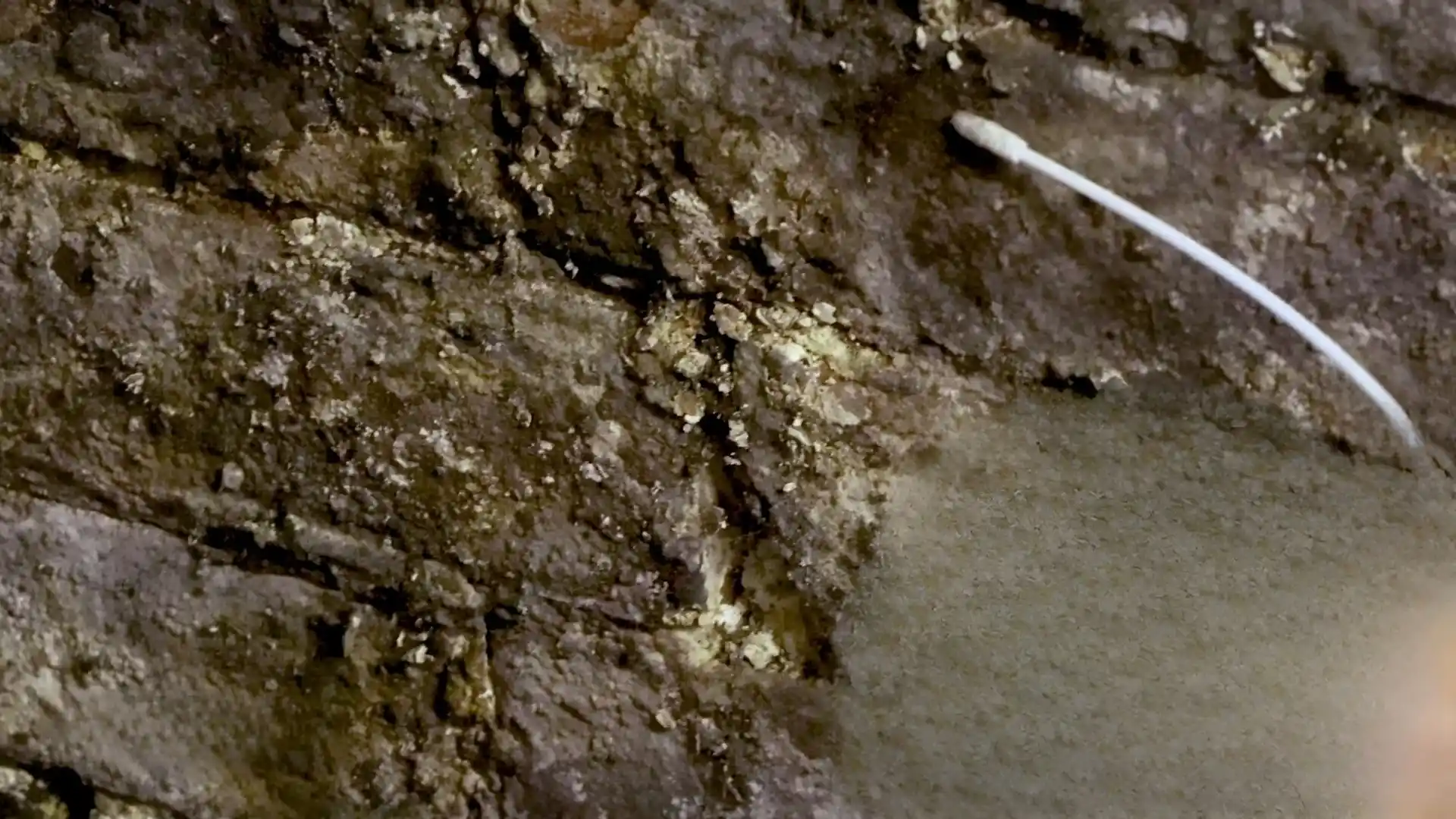
Remediation for basement mold tied to groundwater intrusion, humidity, or limited ventilation below grade.
Basements combine several factors that make them one of the most common mold locations in any home: limited natural airflow, proximity to soil moisture, and often the last part of a home to get attention during routine maintenance. In Peachtree City, older basements built to 1960s through 1980s standards, common in Aberdeen and Braelinn, frequently lack the vapor barriers and drainage improvements that are now standard in newer construction.
Basement mold can stem from an active leak, from groundwater seeping through the foundation, or simply from ambient humidity with nowhere to go. Our assessment identifies which of these applies before starting remediation. This is because the fix looks different for each.
Identifying whether the cause is a leak, groundwater, or humidity alone.
Removing porous materials, like drywall and stored cardboard, that can't be salvaged.
Recommendations to control ongoing humidity and reduce recurrence risk.
Basement mold pricing shifts with square footage and moisture source, so we put the real number in writing, itemized, after inspecting your space.
Before starting any basement mold removal, we look at what's already in place to manage water: whether there's a sump pump, whether the discharge line actually routes water away from the foundation instead of just a few feet from the wall, and whether a French drain, if one exists, still drains freely or has silted up over time. Georgia's red clay soil holds water against foundation walls longer than sandier soils. This means a sump system that was adequate when a home was built decades ago may not keep pace with how the surrounding grade has settled since.
Homes in Peachtree City's Aberdeen and Braelinn villages, many built before modern basement waterproofing standards, benefit most from this kind of check, since removing existing mold without addressing an aging or undersized drainage system usually means calling us back within a year or two.
Recurring basement mold usually means the underlying moisture source, whether a leak, groundwater, or general humidity, wasn't fully addressed the first time. We identify that cause as part of our assessment.
A dehumidifier can help manage ongoing humidity after remediation, but it won't remove existing mold growth on its own. That still needs proper removal.
It's not necessarily worse, but it can be more hidden, since drywall and flooring can conceal growth that would be visible on bare concrete in an unfinished space.