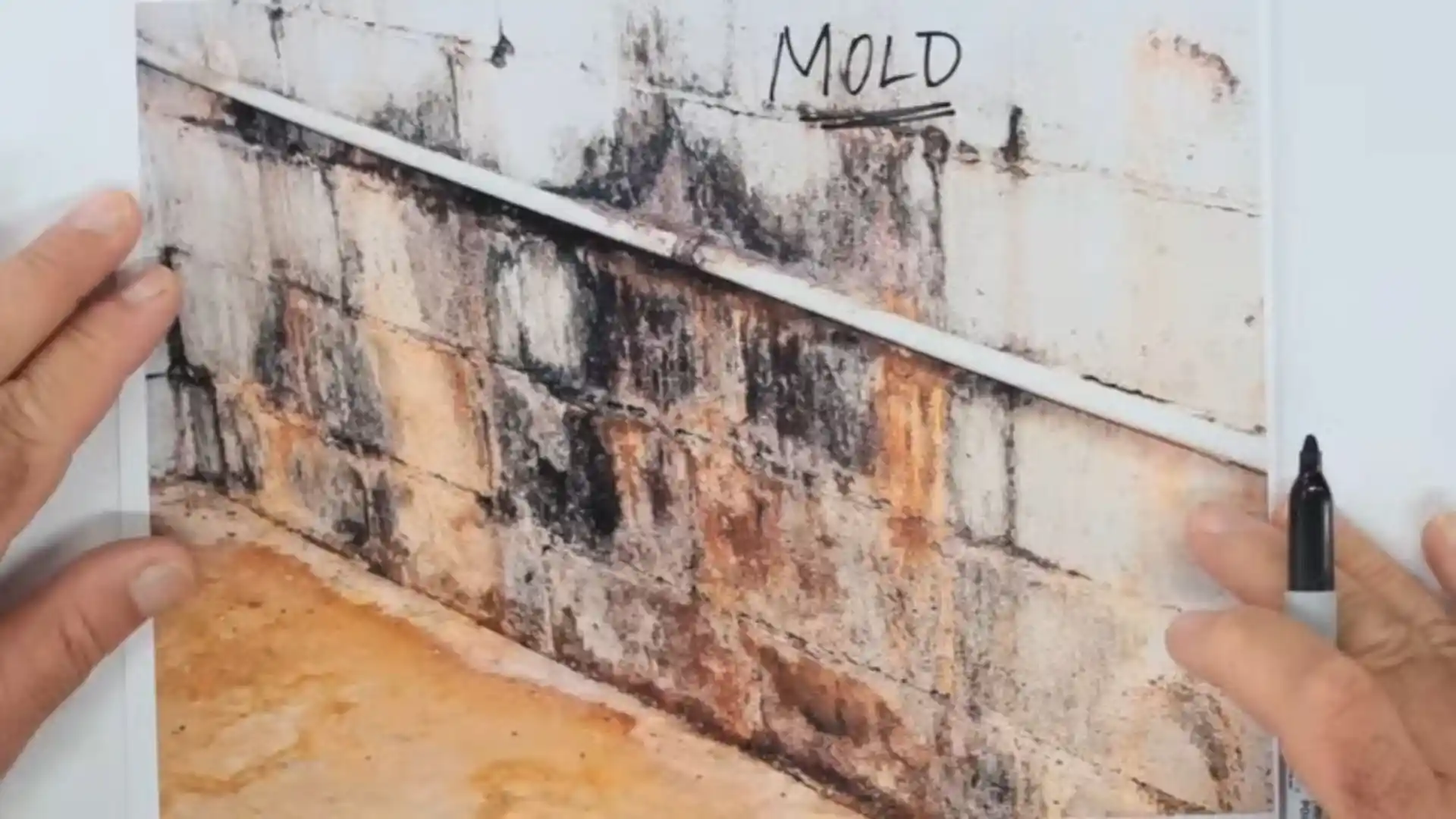
Specialized handling for toxigenic black mold species that require extra containment beyond standard mold removal.
"Black mold" is often used loosely to describe any dark-colored growth. But it most specifically refers to Stachybotrys chartarum, a toxigenic species that produces mycotoxins and warrants stricter containment than more common mold types. Confirming the actual species through testing matters, since not everything that looks black is this particular species, and treating every case with the same intensity either under-protects a real Stachybotrys job or over-treats a more routine one.
When black mold is confirmed, our protocol steps up containment a lot: negative air pressure to keep spores from spreading to unaffected rooms, full PPE for our crew, and removal of affected porous materials rather than attempting to clean them in place.
Testing to confirm whether growth is actually toxigenic black mold before escalating protocol.
Pressure control to prevent spore spread to unaffected areas during removal.
Removing affected porous materials rather than surface-cleaning them.
Containment requirements for confirmed black mold can change the total quickly, so we always finalize cost with a written, itemized assessment on-site.
Georgia's humid subtropical summers create conditions where several dark-colored mold species can grow side by side on the same surface, and not all of them carry the same health considerations as Stachybotrys chartarum. Homes near Lake Peachtree and Lake McIntosh, where humidity runs consistently higher, tend to see a wider mix of species in a single sample than homes further inland. That's exactly why we test before assuming the worst or assuming a dark patch is harmless: guessing in either direction leads to either over-treating a routine mold job or under-protecting a genuinely toxigenic one.
Once species is confirmed, the containment plan is built around that specific result, including how long negative-air equipment needs to run and what level of PPE the crew uses throughout removal.
Visual color alone isn't a reliable indicator. Testing confirms the species, which is why we recommend testing before assuming the worst, or before assuming it's harmless.
Stachybotrys is associated with health effects for some people, particularly with prolonged exposure. This is why we use full containment and PPE during removal rather than treating it like routine mold cleanup.
It can, if the underlying moisture source isn't addressed. Our assessment identifies the moisture cause so removal isn't just a temporary fix.