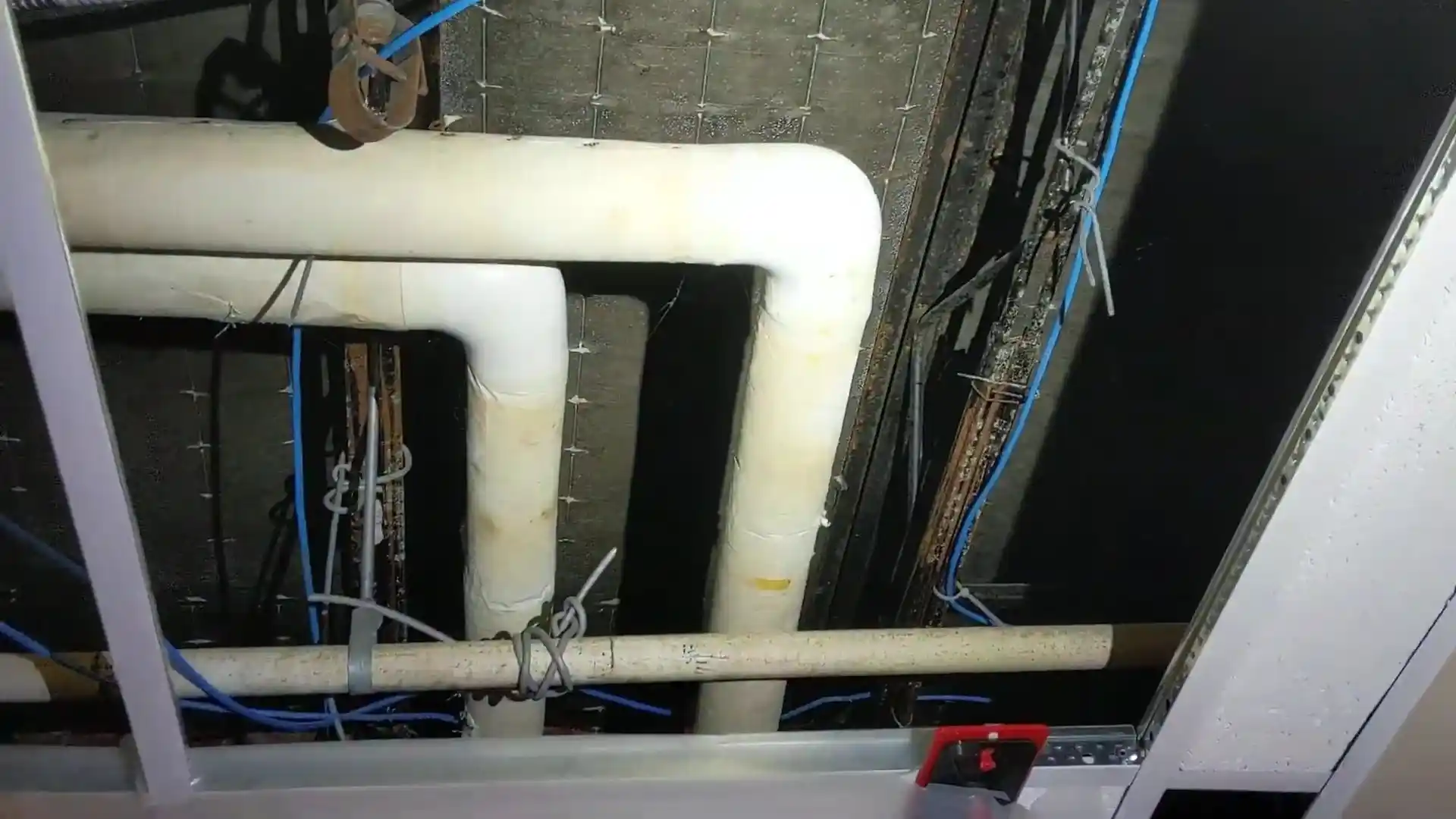
Mold remediation protocols suited to occupied businesses, scheduled to minimize disruption to customers and operations.
Commercial mold remediation follows the same core process as a residential job — inspect, contain, remove, verify — but the logistics differ a lot. Occupied businesses usually need work scheduled around operating hours, containment barriers positioned to avoid disrupting customer-facing areas, and records formatted for a commercial insurance policy or a landlord rather than a homeowner's policy.
We've found that commercial mold in Peachtree City most often traces back to HVAC systems that weren't sized for current occupancy loads, particularly in older buildings near downtown that were converted from other uses over the years.
Work scheduled around your operating hours wherever possible.
Barriers designed not to disrupt customer or employee access.
Reports formatted for a commercial policy or property management review.
Commercial mold jobs price out differently depending on occupancy and containment needs, confirmed in writing with an itemized assessment before work begins.
Commercial spaces near downtown Peachtree City and along the retail corridors bordering the golf-cart path network often share HVAC systems or common walls between tenants. This means mold containment has to account for more than just the affected unit. A poorly sealed containment barrier in a shared-wall retail space can let spores travel into a neighboring business during removal, turning a single-tenant job into a multi-tenant liability if it's not planned correctly from the start.
We coordinate directly with property management on shared-system buildings to confirm whether HVAC zones need to be isolated during work, which is a step that's easy to miss if a remediation crew is only thinking about the unit they were called for.
In many cases yes, especially when the affected area can be contained and separated from customer-facing space. We'll walk through the specific plan during our assessment.
It depends on your lease terms and the cause of the mold. We provide clear records of the cause and scope so that determination can be made between you and your landlord or insurer.
Recurring mold in the same spot usually points to an unaddressed moisture source or HVAC issue rather than a remediation failure, we'll flag the likely cause during inspection.