24/7 Water Removal
Water Removal in Peachtree City, GA
Fast extraction of standing water from floors, carpet, and subfloor before it spreads or soaks deeper into your home.
☎ (678) 940-0638
Answered 24/7, every day of the year
Fast extraction of standing water from floors, carpet, and subfloor before it spreads or soaks deeper into your home.
Water removal sounds simple, but the equipment and technique matter more than most homeowners expect. A wet-vac from the hardware store can pull surface water off a hard floor. But it won't reach water that's already soaked into carpet padding, subfloor, or the gap beneath baseboards. This is exactly where a lot of the real damage happens if it's left behind.
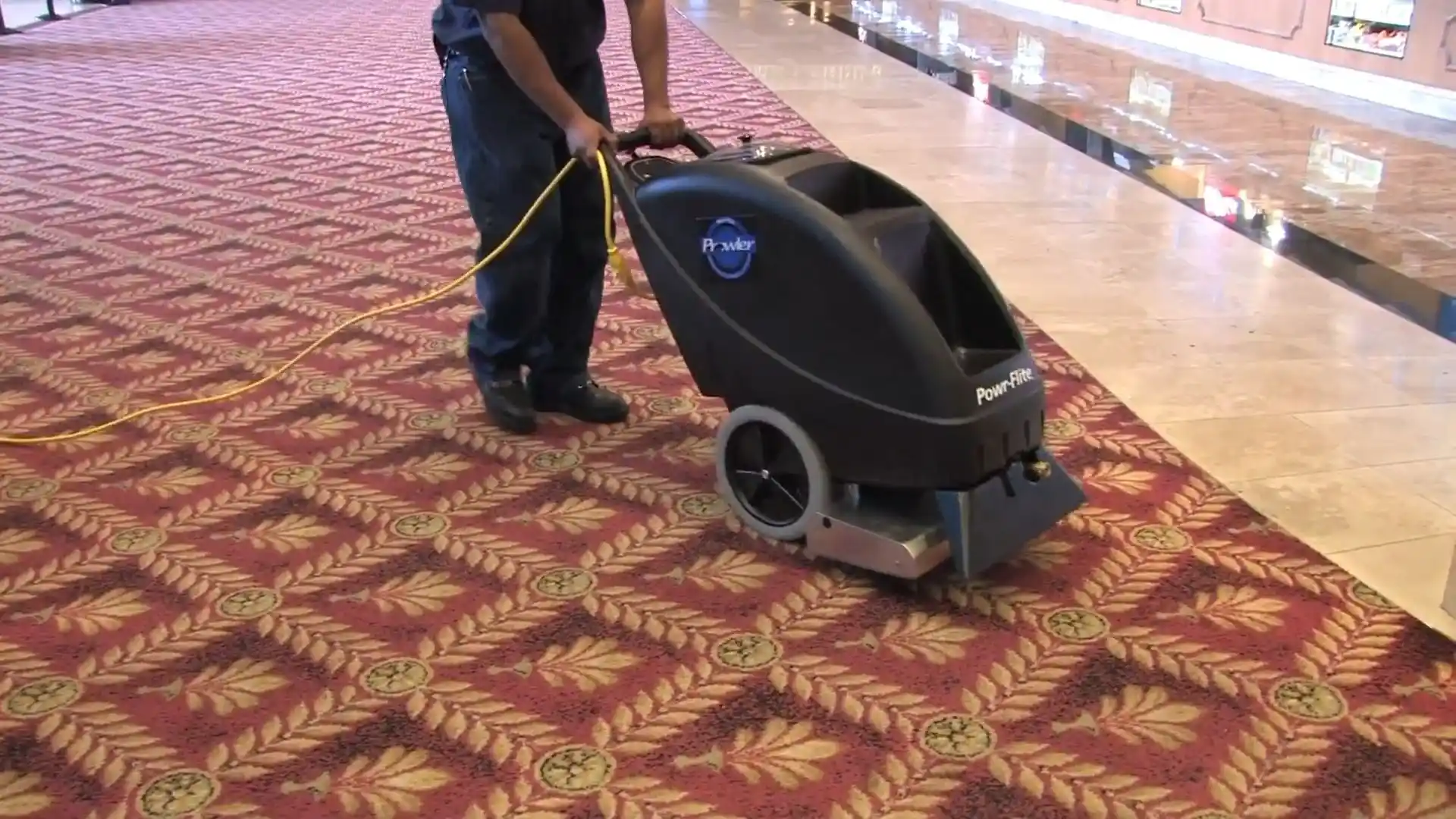
Our crews use truck-mounted extraction for larger volumes and portable extractors for tighter spaces like closets or under cabinetry. So the equipment matches the actual job instead of forcing one tool to do everything.
Removal is also where we make the call on what's salvageable. Carpet padding that's absorbed water rarely dries fully in place and is usually removed and replaced, while carpet itself and hard flooring can often be saved if extraction happens quickly enough.
Deep extraction to pull water out of fibers and padding before it wicks further.
Careful extraction to limit warping and separation in wood flooring.
Extraction from gaps and cavities that hold water long after the surface looks dry.
A carpet or floor that feels spongy underfoot usually means water has reached the subfloor.
Areas that feel noticeably cooler and damper than the rest of the floor often hold trapped moisture.
A lingering odor after you've already mopped up visible water usually means moisture remains underneath.
What's salvageable versus what needs replacing changes the total quickly, so final pricing always comes from a written, itemized assessment, not a phone estimate.
Water removal from hardwood flooring requires a gentler, slower approach than carpet, since aggressive extraction can force water deeper between boards rather than pulling it out, and specialized drying mats designed for hardwood are often necessary to prevent cupping and permanent warping. Tile flooring itself usually survives water exposure fine, but grout lines and the subfloor beneath are where trapped moisture becomes a problem, particularly in older homes where tile was installed directly over a wood subfloor rather than a moisture-resistant underlayment. Laminate flooring is the least forgiving of the three. Once water reaches the core material beneath the wear layer, that section typically can't be saved regardless of how quickly extraction happens.
Knowing which flooring type you have before we arrive helps us bring the right equipment on the first visit, whether that's specialized hardwood drying mats or standard extraction tools.
Extraction is rarely the last step. Once standing water is out, we take moisture readings on the surrounding materials and usually move straight into drying equipment. This is because a floor that looks dry to the eye can still be holding moisture that will cause problems weeks later if it's left alone.
If it's safe to do so and only a small amount of surface water is involved, that can help before we arrive. It won't replace professional extraction from carpet padding or subfloor, though, so it's still worth a call.
It depends on the water category and how long it sat. Clean water extracted within a few hours often allows the carpet to be saved, while padding usually needs replacement either way.
Both. Water removal is the extraction step. We usually follow it immediately with drying equipment so the space doesn't sit damp between visits.
We extract what we can from the surface and gaps, then use specialized drying mats or equipment designed for hardwood to pull moisture out from underneath without forcing the boards to separate or cup.