Homeowner Resource
Mold Vs. Mildew: How To Tell The Difference In A Humid Georgia Home
☎ (678) 940-0638
24/7 dispatch if you need help right now
"Is this mold or just mildew?" is one of the most common questions homeowners ask when they spot something dark and fuzzy growing in a bathroom, closet, or basement. It's a fair question, and in our humid subtropical climate, both are common enough that telling them apart matters for deciding how seriously to take what you're looking at.
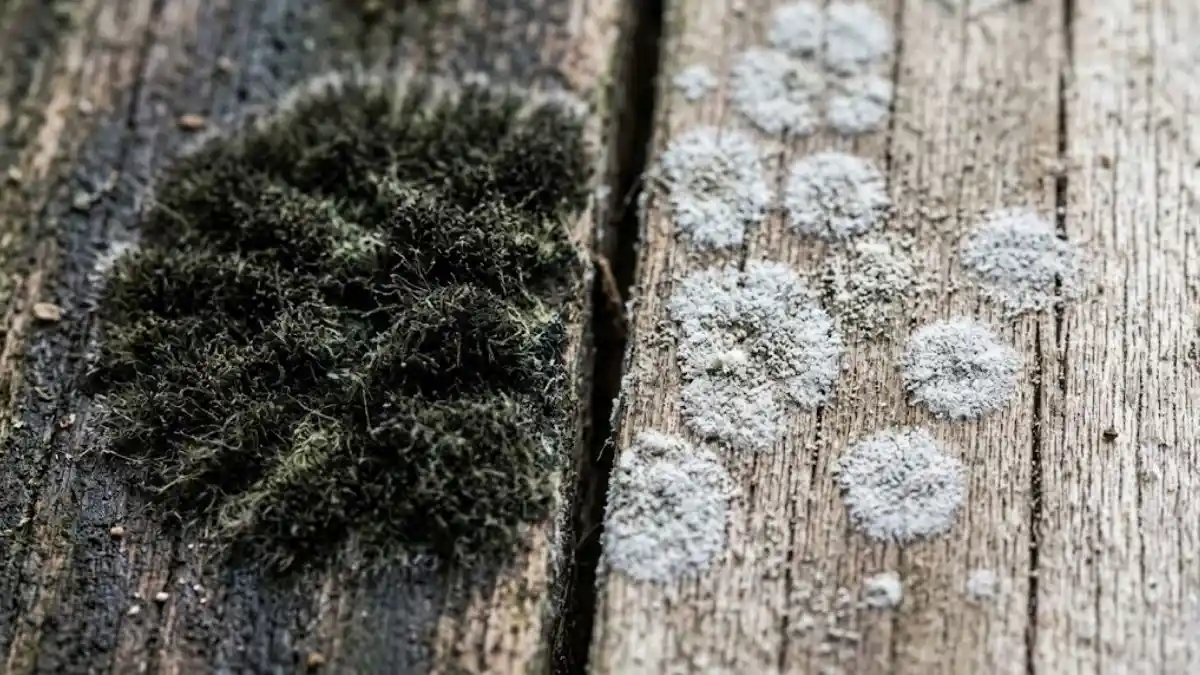
Mildew is usually a surface-level fungus that stays flat and powdery, usually white, gray, or light yellow. It grows on the surface of damp materials rather than penetrating into them. It's common on shower tile, window sills, and other frequently damp surfaces. It's generally manageable with regular cleaning.
Mold, by contrast, tends to have a raised, fuzzy, or slimy texture and comes in a wider range of colors including black, green, and blue. Unlike mildew, mold can penetrate into porous materials like drywall, wood, and fabric, growing roots into the material itself rather than just sitting on top of it. That's the key practical difference: mildew is a cleaning problem, while mold growing into a porous material is a removal problem.
Our humid subtropical climate means ambient moisture is a near-constant factor, especially during Georgia's long, humid summers. That makes it easier for what starts as surface mildew, say on a bathroom ceiling with poor ventilation, to progress into actual mold growth if the underlying humidity or airflow problem isn't addressed. A situation that might resolve with better ventilation in a drier climate can become a more persistent problem here if left alone.
If what you're dealing with doesn't clean off easily, keeps returning, or covers a porous surface rather than tile or a hard surface, it's worth getting an actual assessment rather than guessing. Our mold inspection service can confirm what you're actually looking at, and if it turns out to be more than surface mildew, our mold removal team handles it from there with proper containment.
We see this question come up constantly across our service area, from bathrooms in Peachtree City homes near the lakes to older properties in Union City, and getting an early, accurate read on which one you're dealing with is the fastest way to know whether you need a bottle of cleaner or a real remediation plan.
Mildew tends to appear first in rooms with the most consistent moisture exposure and the least airflow, which in a typical Peachtree City home usually means bathrooms without an exterior-venting exhaust fan, followed by closets sharing a wall with a bathroom or laundry room. If you notice mildew reappearing in the same spot every few weeks despite regular cleaning, that's usually a sign the underlying humidity or ventilation issue hasn't been addressed, not that your cleaning routine is failing.
Improving airflow in that specific spot, whether through a bathroom fan repair, a dehumidifier, or simply leaving a closet door cracked periodically, often resolves recurring mildew more effectively than switching cleaning products.