Peachtree City · Fayette County, GA
24/7 Dispatch · (678) 940-0638
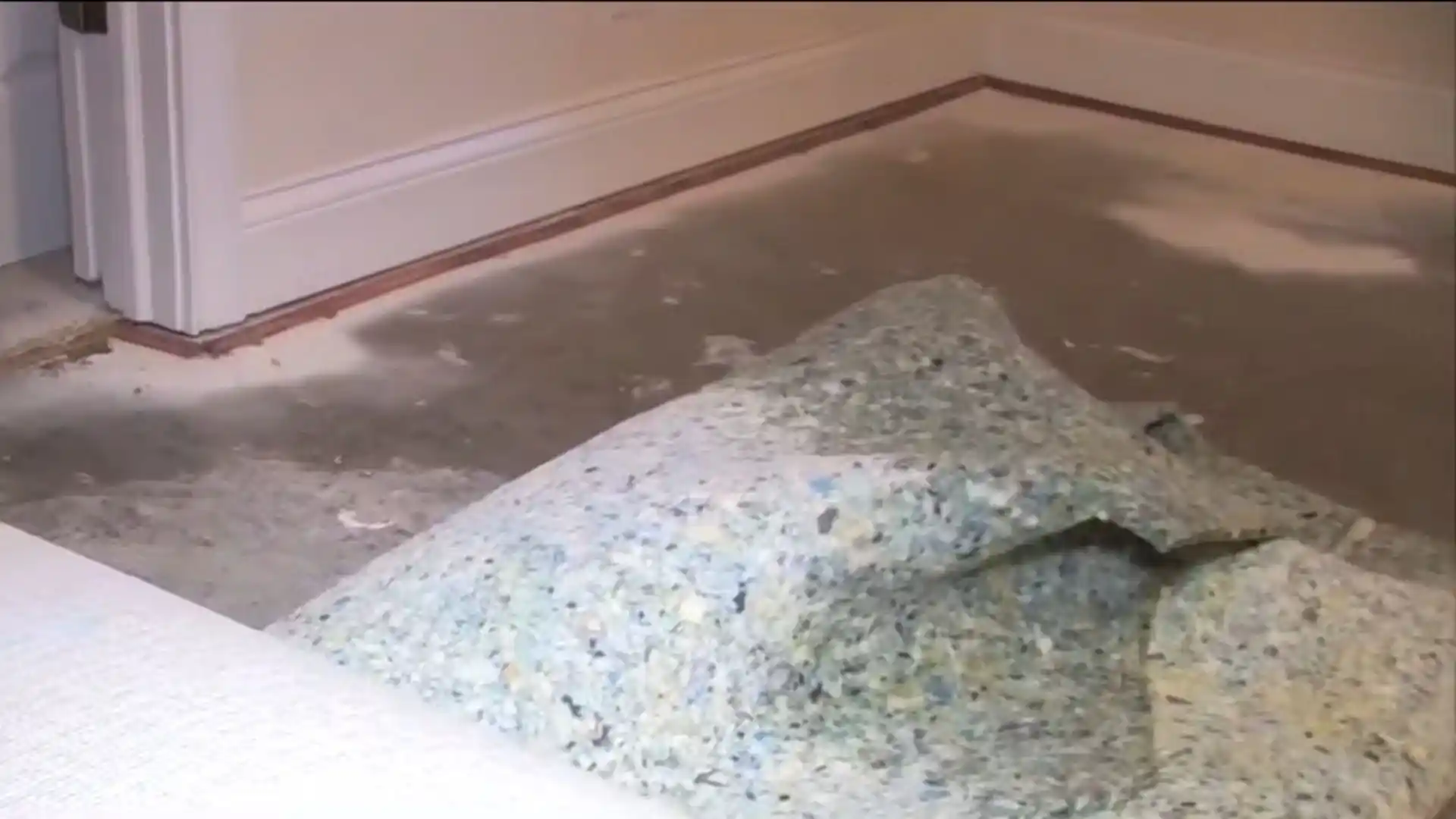
Torn-up wet carpet padding pulled back from a flooded room's concrete subfloor
24/7 Emergency Flood Response

Flood Damage Restoration in Peachtree City, GA

Full-structure flood response for homes and businesses in Peachtree City: extraction, drying, and rebuild coordination after major water intrusion.

☎ (678) 940-0638 Answered 24/7, every day of the year
What This Covers

Restoring A Home After A Real Flood Event

Flood damage restoration is our term for the full-structure response when a home has taken on a substantial volume of water, not a single leak, but water that's covered multiple rooms or an entire level. That distinction matters because the response looks different: instead of drying one wall or one carpet, we're managing extraction, moisture mapping, and drying across an entire affected footprint at once.

Peachtree City sits inland, so we're not dealing with coastal storm surge. What we do see is interior flooding tied to intense, sustained rainfall: the kind that overwhelms yard drainage and finds its way into homes through low points in the foundation, window wells, or garage entries faster than a typical storm would.

Our crews arrive with a set process rather than improvising room by room: extraction first, then a full moisture-mapping pass with meters to find exactly how far water traveled into walls and subfloor, then drying equipment sized to the actual affected square footage rather than a one-size-fits-all setup.

Our Flood Restoration Process

🚰

Water Extraction

Truck-mount and portable pumps remove standing water as fast as possible to limit spread.

πŸ—ΊοΈ

Moisture Mapping

Meters identify exactly how far moisture has traveled into walls, subfloor, and framing.

πŸ’¨

Structural Drying

Industrial air movers and dehumidifiers dry the structure before secondary damage sets in.

Homes Near Lake Peachtree And Lake McIntosh

Properties closer to Lake Peachtree and the newer Lake McIntosh tend to have a higher water table to begin with. This means flood water in these areas can take longer to fully clear from crawlspaces even after the visible flooding recedes. We factor that into our drying timeline rather than calling a job finished on a fixed schedule.

Homes further from the lakes, particularly older construction in Aberdeen and Braelinn, more often deal with foundation-level intrusion tied to grading that's shifted over decades rather than a consistently high water table. Both situations need the same careful moisture verification before we close out a job, a floor that feels dry to the touch can still be holding moisture several inches down.

Typical Flood Damage Restoration Costs

Scope
Typical Range
Single-room flood response
$1,500 – $4,000
Multi-room / partial-level flooding
$4,000 – $12,000
Full-structure flood restoration
$10,000 – $30,000+

A single room and a full-level flood are very different jobs. So we always confirm final cost with a written, itemized assessment before work begins.

Why Drying Verification Takes Longer Than Extraction

Extraction itself, pulling standing water out of a home, is often the fastest part of a full flood restoration. Verified drying is what actually takes the bulk of the project timeline, since materials like drywall, subfloor, and framing release moisture slowly even with industrial equipment running continuously. A homeowner who sees dry-looking floors after the first day sometimes assumes the job is nearly done, when in reality the equipment often needs to run for several more days before moisture readings confirm materials have returned to a safe, stable level.

We set expectations on this timeline during the initial visit specifically because it's the most common source of frustration on a flood job. Not the extraction itself. But the wait for verified drying that follows it.

Signs Your Home Needs Flood Restoration, Not Just Mitigation

🌊

Water Covers Multiple Rooms

If water has spread beyond a single room, you're likely looking at a full restoration scope, not a spot repair.

🧱

Drywall Is Visibly Saturated

Bulging, soft, or discolored drywall over a large area usually means the damage has already gone past a surface-level fix.

πŸ•

Water Has Been Sitting For Hours

The longer standing water sits, the more likely materials need full replacement rather than drying.

If any of these match what you're seeing, it's worth requesting a full assessment rather than assuming a smaller fix will cover it, catching the true scope early keeps the eventual repair simpler and less expensive.

Working With Your Insurance After A Flood

Flood restoration claims tend to be more complex than a small leak claim, simply because of the scope involved. We document every stage: pre-drying moisture readings, materials removed, equipment run-time. That gives your adjuster a clear paper trail rather than relying on our word after the fact. If flood insurance is a separate policy from your homeowner's coverage, we can help clarify which policy the damage likely falls under before you file.

Common Questions

How is flood damage restoration different from water mitigation?

Mitigation is the fast, first-response step to stop damage from spreading. Flood damage restoration is the full process from that first response through complete drying and repair of a large-scale water event.

Will my homeowner's insurance cover flood damage?

Standard homeowner's policies usually exclude flooding from external sources like heavy rain or overflow, which usually requires separate flood insurance. Water damage from an internal source, like a burst pipe, is a different category and is often covered. We help document which applies to your situation.

How long does drying take after a major flood?

Most homes need three to seven days of active drying with industrial equipment, though homes near the lakes with a higher water table can take longer for crawlspaces to fully clear.

What happens to flooring and drywall that got wet?

It depends on material and how long it stayed wet. Solid materials that are dried within 24 to 48 hours are often salvageable. Drywall and carpet padding that stayed wet longer usually need replacement to avoid mold risk.

Our Coverage Area

Where We Serve