24/7 Storm Response
Storm Damage Restoration in Peachtree City, GA
Rapid response for wind and rain-driven water damage after severe storms move through Fayette County.
☎ (678) 940-0638
Answered 24/7, every day of the year
Rapid response for wind and rain-driven water damage after severe storms move through Fayette County.
Georgia sits far enough inland that we don't take direct hurricane landfalls. But the remnants of Gulf and Atlantic tropical systems regularly track through the interior of the state well after the storm has technically dissipated. Those remnant systems can still drop several inches of sustained rain in a short window, which is often more damaging to a roof and gutter system than a single hard downpour.
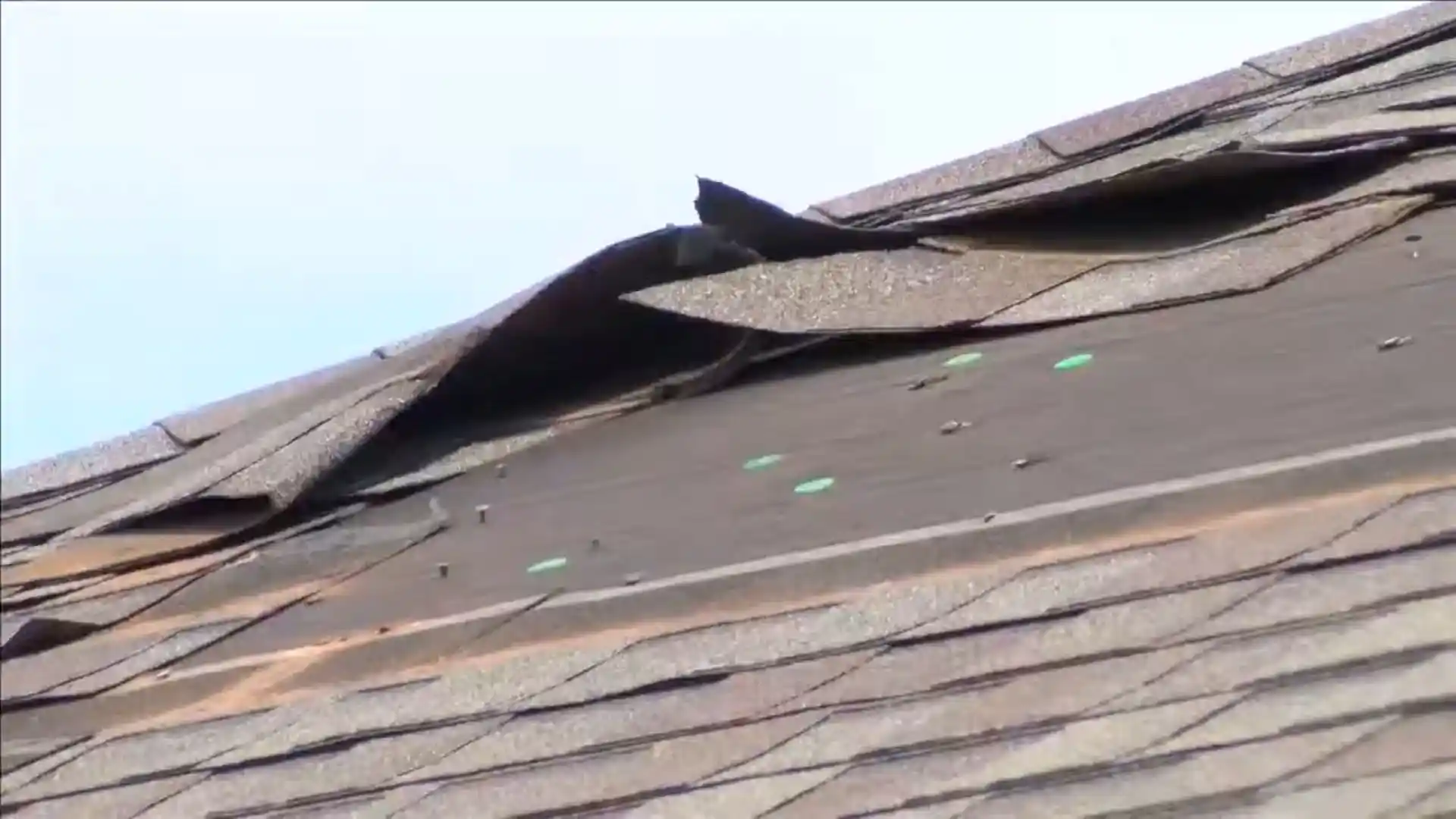
Severe summer thunderstorms bring a second pattern: high wind gusts that lift shingles or damage flashing, followed immediately by heavy rain that finds its way through the newly compromised roofline before anyone even notices the wind damage happened. By the time a stain shows up on a ceiling, water has often been getting into the attic insulation for one or more storm events already.
A third, quieter pattern is gutter overflow. Georgia's mix of pine and hardwood trees drops enough debris through the year that a gutter system due for cleaning can overflow during a heavy storm, sending water straight down the foundation wall instead of away from it.
Wind-lifted shingles and flashing failures that let water into the attic space.
Wind-driven rain forced past seals during high-gust events.
Structural openings from fallen limbs or debris strikes during a storm.
Peachtree City's golf-cart path network includes tunnels and underpasses that are documented to flood during heavy storm rainfall. Homes near those low-lying corridors are worth a closer look after a major storm. This is because the same drainage limitations that affect the paths often extend to the surrounding grade, particularly around Aberdeen and Glenloch where several path segments run close to residential lots.
Storm damage can look worse or better than it first appears once we're inside, so final cost always comes from a written, itemized assessment, not a first glance.
Insurance adjusters often ask for specifics about the storm event itself, not just the damage, including approximate wind speeds and the date and time a storm passed through. The National Weather Service publishes storm reports for significant events affecting Fayette County. We can help homeowners locate that documentation when it strengthens a claim, particularly for wind-related roof damage where an adjuster may question whether wind speeds in the area were actually sufficient to cause the damage being claimed.
Pairing that external weather documentation with our own dated photos and moisture readings gives a more complete picture than either piece of evidence alone. This can matter on claims where the cause of damage is disputed.
A stain that appears within a day or two of a storm usually points to a new roof or flashing failure.
Even without a visible stain, a new musty odor after a storm can mean water reached the insulation.
Trim and fascia that's gone soft after a storm often means water intrusion behind the surface, not just cosmetic weathering.
Storm damage doesn't always announce itself immediately, which is part of why a post-storm check — even a quick one — is worth doing after any significant weather event in Fayette County.
Most storm damage claims involve both a roofing contractor and an insurance adjuster, and delays between the two are one of the most common reasons a storm-damage repair drags on. We document the interior water damage the moment we arrive. This gives your adjuster and your roofer a shared, dated record to work from instead of two separate timelines that don't quite match up.
We handle the water damage that results from a storm-caused roof leak, extraction, drying, and interior repair. For the roof repair itself, we can coordinate with a roofing contractor as part of your restoration plan.
Look for water stains on ceilings, damp spots near windows, and any missing or visibly lifted shingles from the ground. If you see any of these, it's worth a call even if there's no obvious leak yet.
Yes, when debris intrusion is part of what let water into the structure. Larger tree-removal work is usually handled by a separate tree service. But we can help coordinate that alongside the water damage response.
As soon as possible. Water sitting in an attic or wall cavity for more than a day or two raises the odds of mold developing a lot, especially in our humid climate.