Peachtree City · Fayette County, GA
24/7 Dispatch · (678) 940-0638
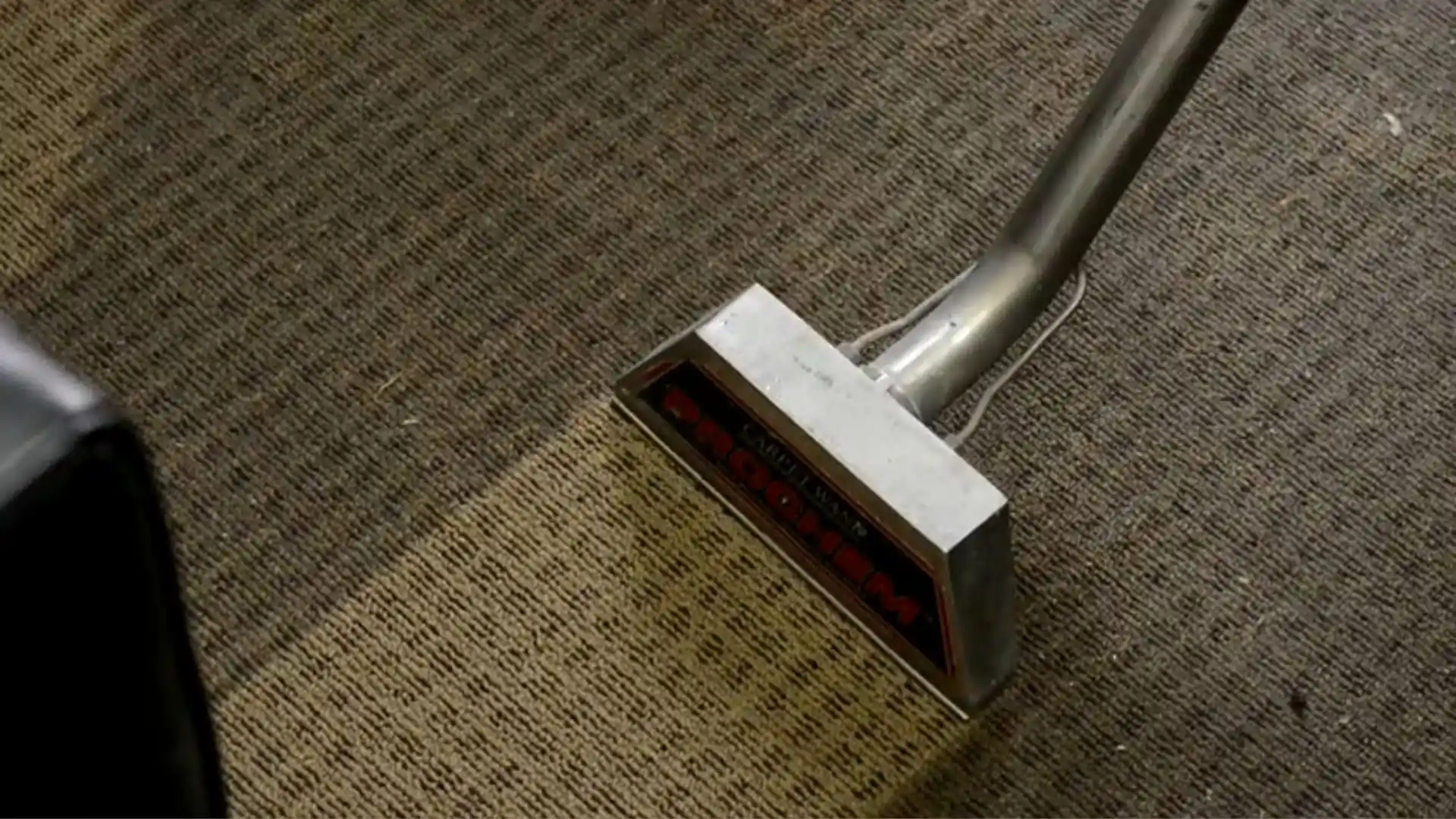
Carpet cleaning wand actively extracting water from a carpeted floor
24/7 Emergency Mitigation

Water Mitigation in Peachtree City, GA

Fast containment to stop water damage from spreading further into your home while a full restoration plan is put together.

☎ (678) 940-0638 Answered 24/7, every day of the year
The First Step

Why Mitigation Speed Matters More Than Anything Else

Water mitigation is the emergency, first-response phase of any water damage event: the work that happens in the first few hours to stop the situation from getting worse, before the longer restoration process even begins. The faster mitigation starts, the smaller the eventual restoration job tends to be, because materials that stay wet for more than 24 to 48 hours are far more likely to need replacement instead of drying and repair.

This is also the phase where category of water matters most. Clean water from a supply line is a very different mitigation job than gray water from an appliance or black water from sewage. Our crew identifies which category you're dealing with before deciding on containment and PPE protocols.

Mitigation isn't just about the room where water is visible, either. Water travels along the path of least resistance: down through subfloor, along framing members, behind baseboards. That's why a proper mitigation response checks adjacent rooms and the floor below, not just the spot where the leak was first noticed.

What Mitigation Actually Involves

🛑

Source Control

Stopping the water source, if it's still active, before anything else.

📦

Containment

Barriers and airflow control to keep water and moisture from spreading to unaffected rooms.

📋

Documented Scope

A written record of the damage extent, used for both the repair plan and any insurance claim.

Why Peachtree City Homes Benefit From Fast Mitigation

Our humid subtropical climate means ambient humidity is already working against a fast dry-out even on a normal day. A delay in mitigation gives mold a head start it wouldn't have in a drier climate. This is part of why we treat mitigation response time as the single biggest factor in how a job turns out.

Older homes in Aberdeen and Braelinn, many dating to the 1960s through 1980s, sometimes have plumbing and subfloor materials that are more sensitive to sitting water than newer construction elsewhere in the city. That's another reason mitigation speed matters more in some neighborhoods than others, even for what looks like the same size leak.

Typical Water Mitigation Costs

Scope
Typical Range
Emergency containment, single room
$400 – $1,200
Multi-room emergency mitigation
$1,200 – $3,500
Category 3 (black water) mitigation
$1,500 – $5,000+

How fast we can contain a job affects total cost, which is why we always follow up the ranges above with a written, itemized assessment on-site.

The First 30 Minutes Set The Tone For Everything After

Mitigation work in the first half hour after our crew arrives usually determines how much of a home's original materials end up salvageable. That window is spent identifying the water source and confirming it's stopped, setting up containment barriers between affected and unaffected rooms, and beginning extraction in the areas with the deepest standing water first. Homes in Peachtree City's older villages, where interior doorways sometimes lack the tight seals that newer construction has, need slightly different containment strategies than newer homes, since air and moisture move between rooms more easily through older door and threshold gaps.

We adjust our containment approach based on a home's actual construction rather than using one standard method everywhere. This is part of why two similar-looking mitigation jobs can look different in execution even when the water event itself was comparable.

What Happens If Mitigation Is Delayed

0–24 Hours

Most materials are still salvageable with prompt extraction and drying.

⚠️

24–48 Hours

Drywall, carpet padding, and some wood materials begin absorbing enough moisture that replacement becomes more likely.

🦠

48–72+ Hours

Mold growth becomes a realistic risk, especially in our humid climate, turning a water job into a combined water-and-mold job.

This is the core reason we treat mitigation as a same-day, every-hour-counts service rather than something that can wait for a scheduled appointment.

What A Mitigation Visit Looks Like

When our crew arrives, the first few minutes are spent identifying and stopping the water source if it's still active, then assessing which rooms and materials are affected. From there we set up extraction and containment, take initial moisture readings for the record, and walk you through what happens next before we leave the property in a stable, contained state overnight if the full restoration will take more than a single visit.

Common Questions

Is water mitigation the same as water damage restoration?

No. Mitigation is the fast, first-response containment work. Restoration is the complete process, including full drying and any necessary repair, that follows mitigation.

How fast can mitigation start once I call?

Our average arrival time across Fayette County is about 60 minutes from your call, any hour of the day.

Does mitigation prevent mold?

Fast mitigation lowers the odds of mold developing a lot. But it's not a guarantee on its own. That's why proper drying and moisture verification are part of the same process.

What's the difference between clean, gray, and black water?

Clean water comes from a supply line or similar clean source. Gray water comes from appliances like washing machines or dishwashers. Black water is contaminated, usually from sewage, and requires stricter containment and PPE protocols.

Our Coverage Area

Where We Serve