Homeowner Resource
Does Homeowners Insurance Cover Water Damage?
☎ (678) 940-0638
24/7 dispatch if you need help right now
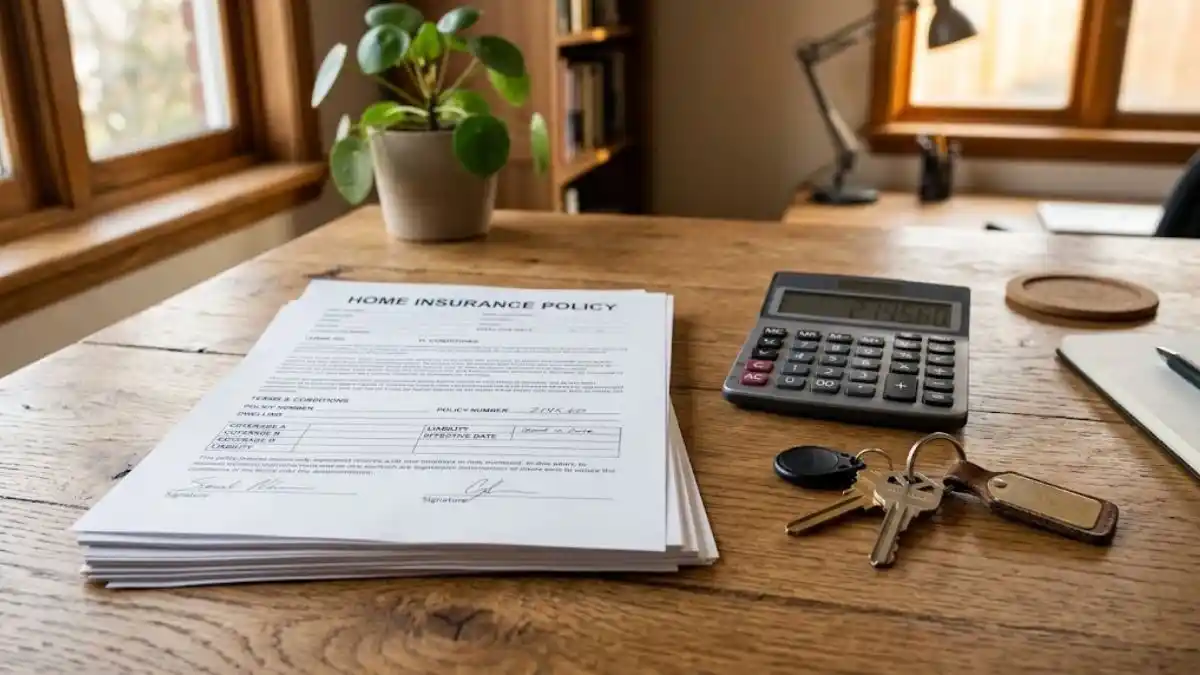
This is one of the first questions almost every homeowner asks once water has actually gotten into their home. The honest answer is: it depends on the cause. Homeowners insurance isn't a blanket policy against all water damage: it's built around the idea of "sudden and accidental" events. That distinction determines a lot about what gets covered.
Most disputes we see between homeowners and insurers come down to this distinction. A pipe that bursts overnight is sudden and accidental. The same pipe, if it had been slowly seeping for months before finally failing, might get classified differently. This is because the insurer could argue the damage built up gradually and should have been caught sooner through normal maintenance.
This is part of why documentation matters so much. A restoration crew's written assessment, taken at the time of the event, can help establish whether damage looks consistent with a sudden failure or a longer-term issue. This can meaningfully affect how a claim is evaluated.
It's worth repeating because it surprises a lot of homeowners: standard homeowners insurance in Georgia, including here in Fayette County, generally does not cover flooding from external sources like heavy rainfall overwhelming yard drainage. That coverage usually requires a separate flood insurance policy, often through the National Flood Insurance Program, regardless of whether your home sits in a mapped flood zone.
We're not insurance adjusters, and we can't tell you definitively what your specific policy covers. What we can do is document everything clearly from our first visit: photos, moisture readings. A written scope of work. That way, whatever the cause turns out to be, you're not trying to reconstruct the timeline from memory when you talk to your adjuster.
If you're dealing with water damage right now and aren't sure where it falls, our water mitigation team can start documenting immediately. Our flood damage restoration service handles both the insurance-covered and flood-specific scenarios so you're not left guessing which service applies.
We work with homeowners across Peachtree City and throughout our service area on exactly this kind of insurance question every week, and getting the documentation right from the start tends to make the biggest difference in how smoothly a claim goes.
A surprising number of homeowners in Fayette County only learn the specifics of their water damage coverage after they're already dealing with a leak, at which point it's too late to adjust the policy for that event. It's worth calling your agent proactively to ask a few specific questions: whether your policy includes sewer or drain backup coverage as an add-on. This is because it's often not included by default, whether sump pump failure is covered, and what your policy's specific language is around "sudden and accidental" versus gradual damage.
Knowing the answers before an emergency happens means you're not trying to parse policy language for the first time while also dealing with active water damage in your home.